Immerse yourself in Kansas City Jazz.
Discover the legends, feel the rhythm, and stroll
the very streets where swing came alive.
Immerse yourself in Kansas City Jazz.
Discover the legends, feel the rhythm, and stroll
the very streets where swing came alive.
Kansas City Jazz emerged in the 1920s–30s with a raw, bluesy sound driven by riffs, improvisation, and all-night jam sessions. Unlike the polished big band styles of the East Coast, KC musicians used "head arrangements" and swung hard. Fueled by a lively nightlife and Boss Tom Pendergast’s open political climate, the scene at 18th & Vine and the Mutual Musicians Foundation helped shape modern jazz and pave the way for bebop.
Strong blues influence Riff-based melodies Heavy emphasis on improvisation “Head arrangements” instead of sheet music Driving, danceable swing rhythms
What is Kansas City jazz? Watch Video
What made Kansas City such an important place for jazz musicians to grow and create? Watch Video
What made the Kansas City sound different—and how did artists like McShann, Charlie Parker, and others help shape it? Watch Video
Why did people from all over the country start coming to Kansas City for the music—and how did radio help spread the sound? Watch Video
How did dancers, audiences, and everyday people help shape the sound of Kansas City jazz? Watch Video
Kansas City was the jumpin’ joint of jazz—where the cats cooked all night, riffs ruled the room, and the swing was always in the pocket. From 18th & Vine to the Foundation, this town didn’t just play jazz—it lived it. Here’s how the scene came alive:
Kansas City’s wide-open nightlife under political boss Tom Pendergast meant the town never slept—and neither did the music. Ragtime and blues rolled into saloons and dance halls, laying the groundwork for a looser, grittier kind of jazz.

This is when Kansas City jazz made its mark. Bands ditched sheet music for “head arrangements”—music made up on the spot and remembered by heart. Horns traded riffs, solos stretched into marathons, and rhythm sections laid it down hard and steady.
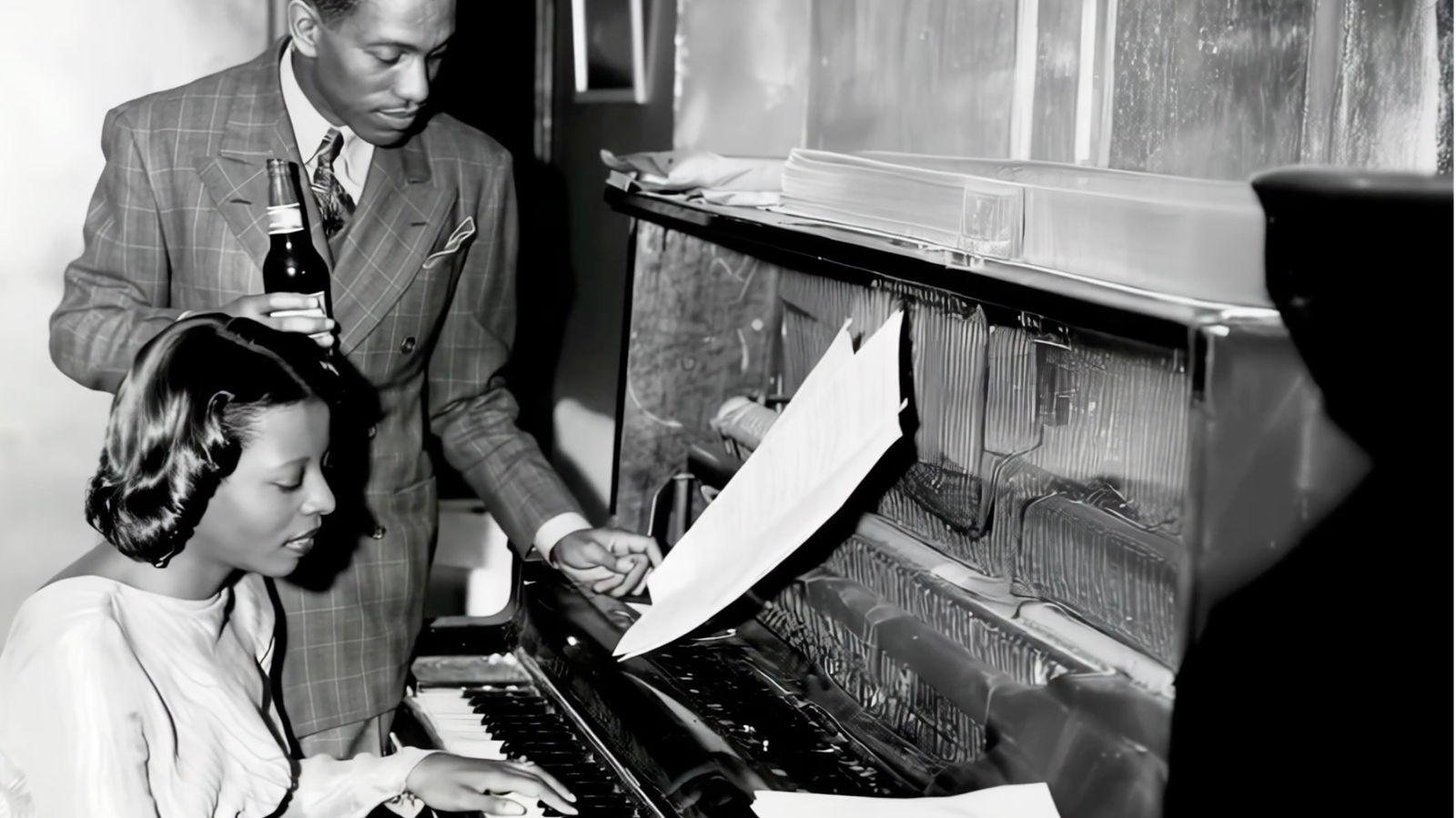
As bebop took over in New York, Kansas City jazz stayed grounded in the groove. The bluesy, riff-driven style found its jam sessions in places like the Mutual Musicians Foundation, even as the national sound got faster and more complex.
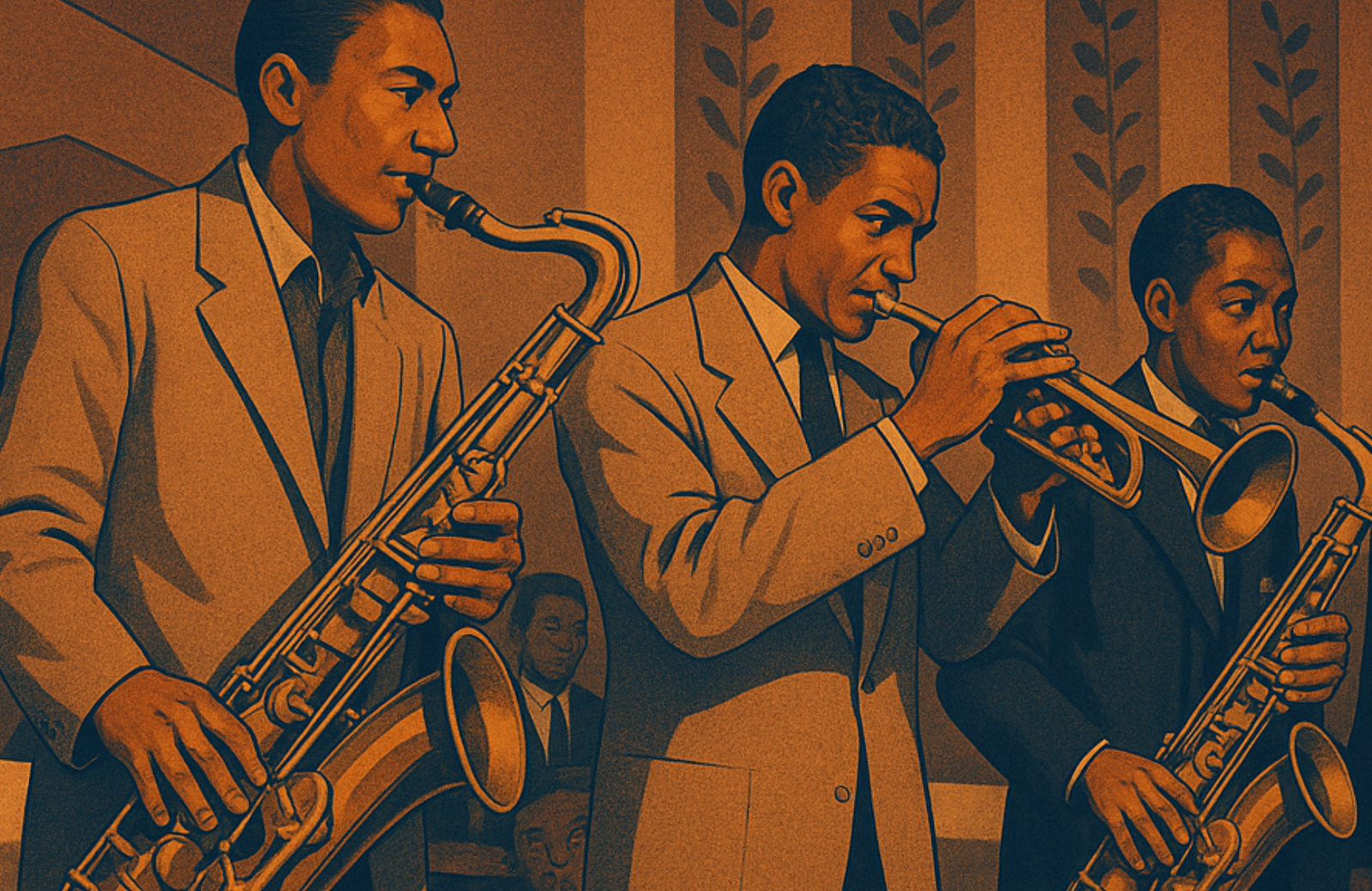
Kansas City jazz influenced styles across the country:
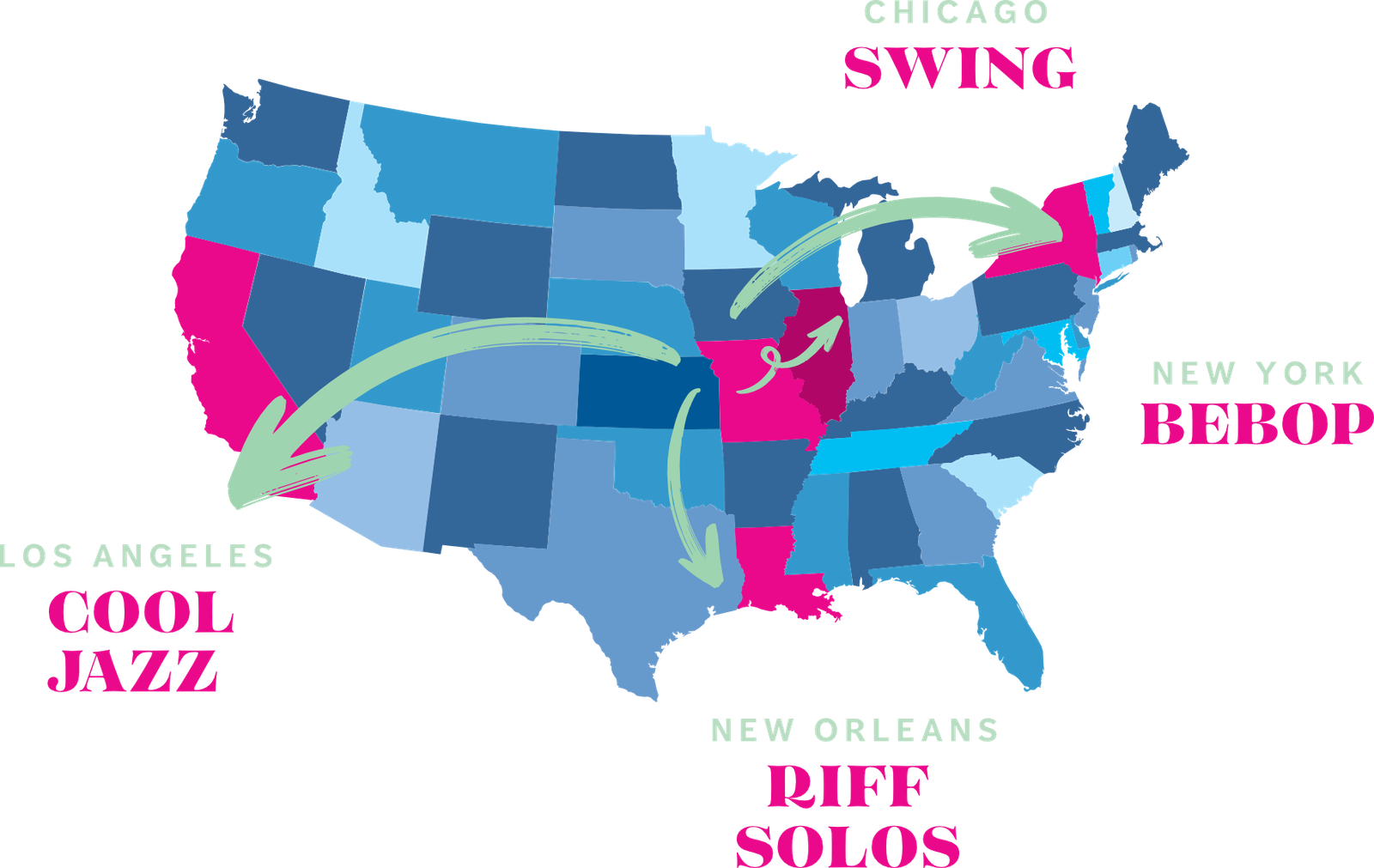
KC’s heyday cooled, but the style lived on. While big bands gave way to combos and R&B took over, the KC sound influenced rock ’n’ roll, soul, and modern jazz. It was still cookin’—just in smaller kitchens.
We'ld love to hear from you. Scan the QR code below to take a quick survey and share your thoughts.

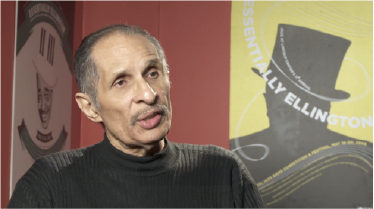 DR. LARRY RIDLEY
 DR. BILLY TAYLOR
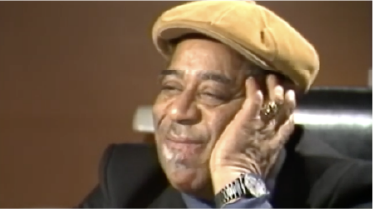 DIZZY GILLESPIE
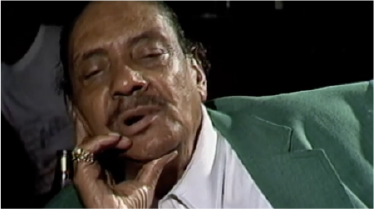 BIG JOE TURNER
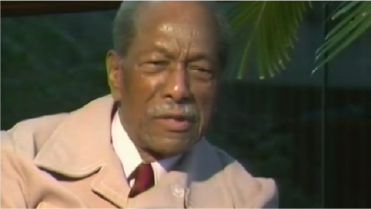 ANDY KIRK
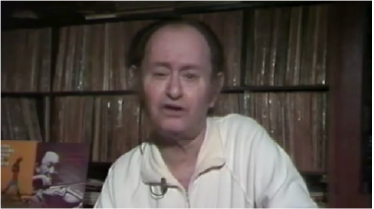 MILTON MORRIS
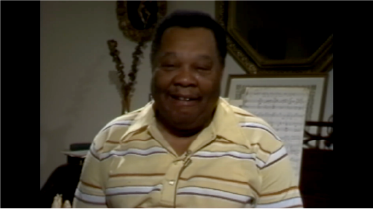 JAY MCSHANN
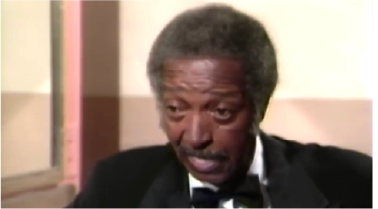 FREDDIE GREEN
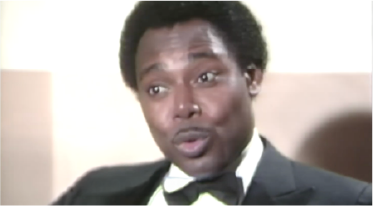 GEORGE BENSON
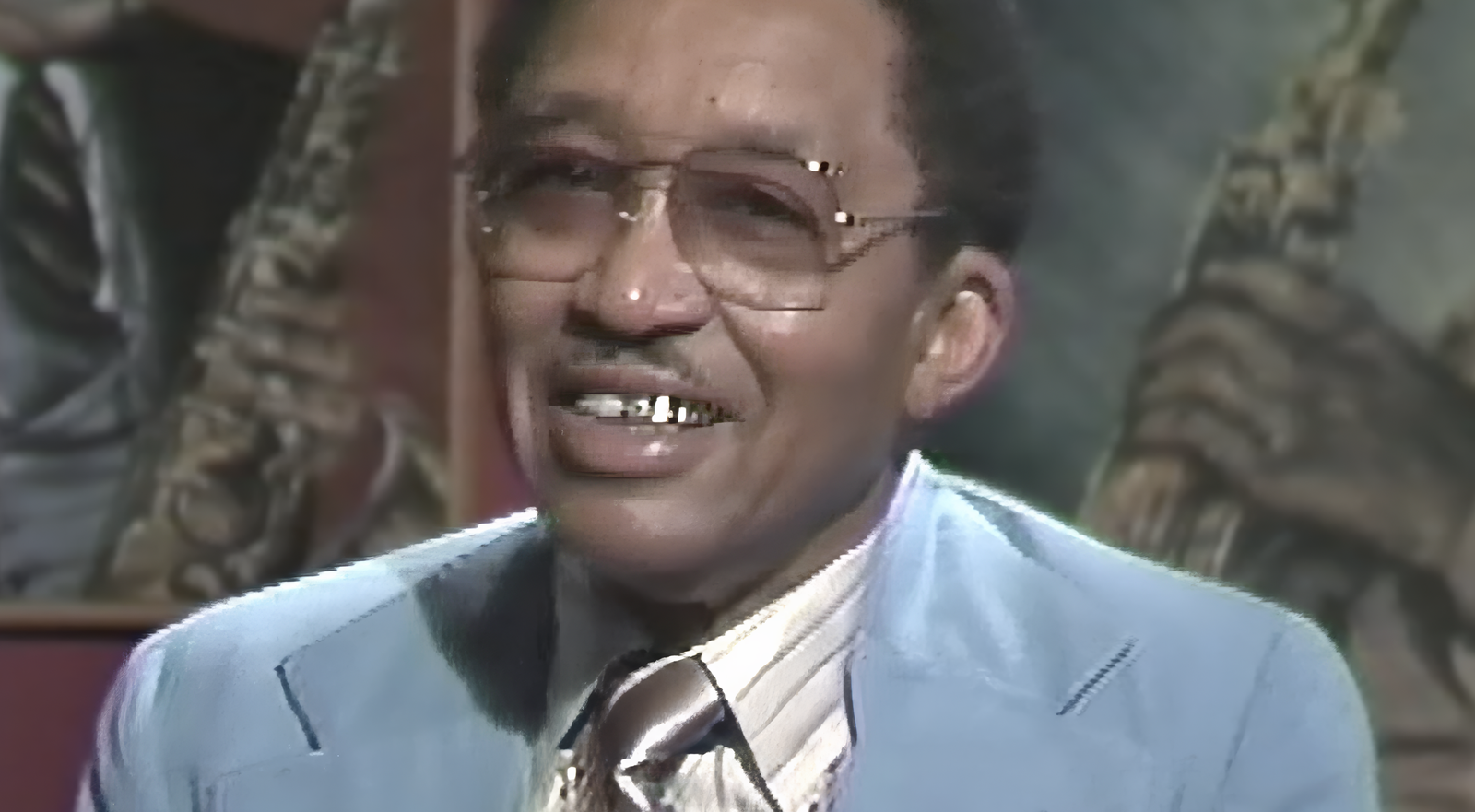 CLAUDE FIDDLER WILLIAMS
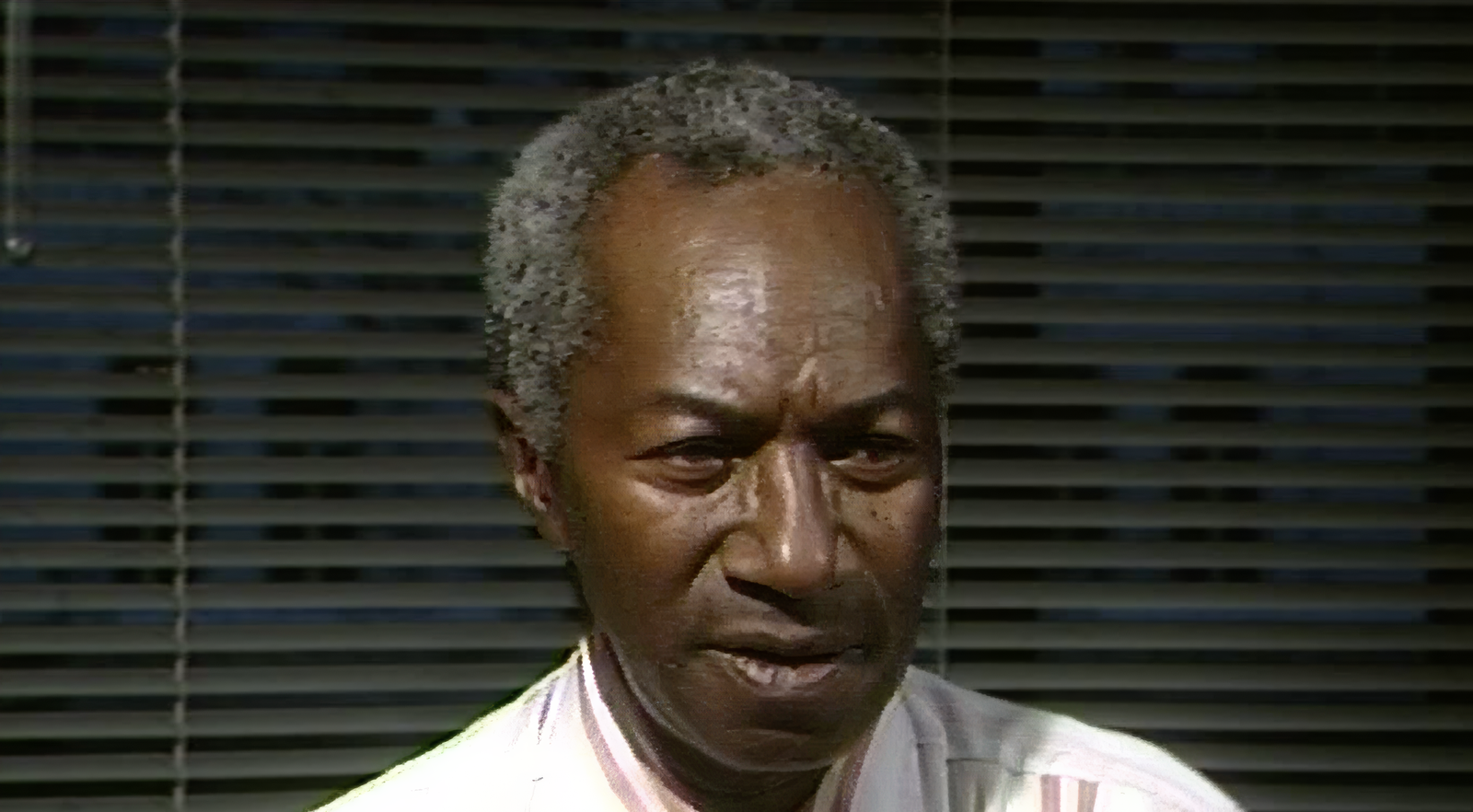 BERNARD ANDERSON
 ORVILLE PIGGY MINOR